


How Much Does Home Staging Cost in Toronto?
A beautifully renovated home can still feel underwhelming online if the rooms are empty, crowded, or furnished without a clear purpose. That is why sellers and realtors often ask, how much does home staging cost before a listing goes live. The useful question is not only what staging costs, but what level of presentation a particular property needs to compete for attention and support its target sale price.
In the Greater Toronto Area, professional staging is a tailored property-marketing investment. A compact condo preparing for a fast launch has different needs than a vacant executive home, a lived-in family property, or a builder’s model suite. The right package balances visual impact, listing timeline, inventory requirements, and the value of the home itself.
How Much Does Home Staging Cost in the GTA?
Most professional home staging projects in the GTA fall within a broad range of approximately $1,500 to $8,000 or more, depending on the size of the property, whether it is occupied, and how much furniture and décor are required. Larger luxury homes, properties with several rooms to furnish, and listings requiring extended rentals can exceed that range.
A consultation or occupied-home assessment may be priced separately, particularly when the work involves a detailed plan for editing, rearranging, painting, repairs, and preparation before photography. Some staging companies credit a consultation fee toward a booked package, while others price it as a standalone professional service.
The following ranges offer a practical starting point. They are not fixed quotes, because every floor plan, listing strategy, and inventory requirement is different.
| Project type | Typical GTA investment range | What often shapes the final cost | |---|---:|---| | Occupied condo or townhome | $1,500 to $3,500 | Styling with existing pieces, supplemental furniture, artwork, accessories, and layout changes | | Vacant condo | $2,500 to $5,000 | Number of rooms furnished, building access, elevator bookings, and rental term | | Vacant detached home | $4,000 to $8,000+ | Square footage, bedrooms, living areas, scale of furniture, and premium inventory selections | | Model home or builder project | Custom quote | Scope, installation phases, buyer demographic, and long-term display needs |
These figures generally reflect an initial rental period, often around 30 to 60 days. If the property remains on the market longer, rental extensions, refreshes, or inventory changes can add to the total. A clear proposal should identify what is included, how long the furnishings remain in place, and what happens if closing or possession dates shift.
What Is Included in a Professional Staging Package?
Home staging is more than placing a sofa in an empty living room. A strong package begins with a plan for how the property should be experienced from the first online image through the in-person showing.
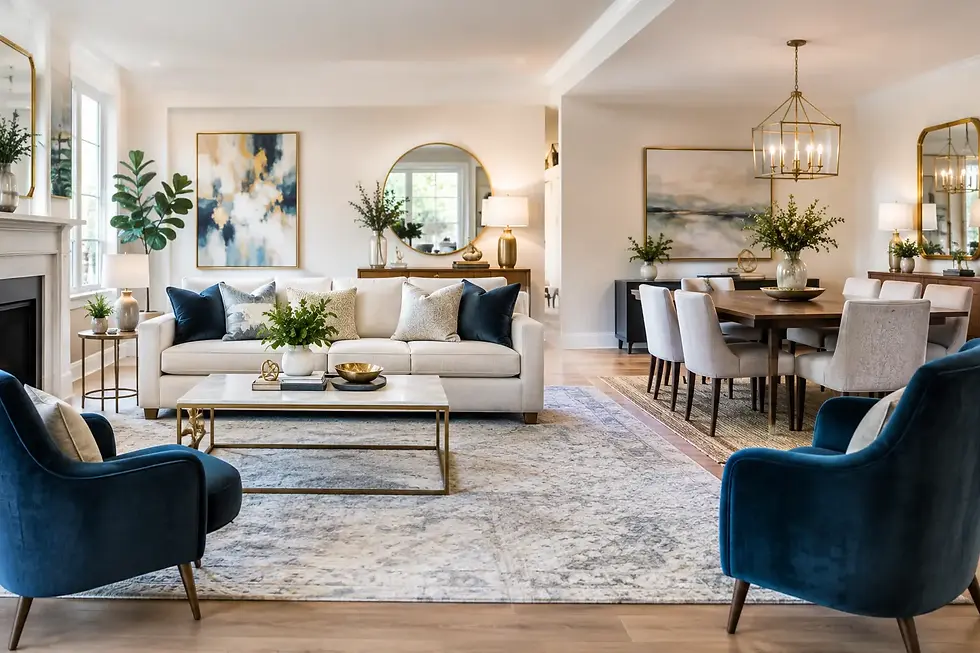
For a vacant property, this usually includes furniture selection, delivery, installation, room styling, artwork, lighting, area rugs, bedding, greenery, and accessories. The goal is to establish scale, function, warmth, and a cohesive visual story. Buyers should immediately understand where they would host, work, dine, relax, and recharge.
For an occupied home, the process can look different. The stager may work with the homeowner’s most suitable furnishings, recommend what to remove or store, then bring in carefully selected rental pieces to elevate key rooms. This approach can be more budget-conscious than furnishing every space from scratch, while still improving photographs and buyer perception.
Premium staging also reflects the home’s likely buyer and price point. A downtown Toronto condo may call for a refined, space-efficient look. A large Oakville or Mississauga family home may need generous dining, living, and bedroom scenes that make the square footage feel intentional. Generic furniture can fill a room, but considered scale, texture, and styling help create the emotional response that encourages buyers to picture themselves living there.
The Factors That Change Your Home Staging Cost
The biggest cost driver is usually the amount of inventory required. More rooms, larger rooms, and higher-end homes need more substantial furniture and a fuller design scheme. Furnishing a living room, dining room, primary bedroom, and office is a very different undertaking from styling a studio condo.
Vacancy matters too. Empty homes usually require a larger investment because every room needs enough furniture and décor to feel complete. Occupied homes may require fewer rentals, but they can demand more hands-on planning. Editing personal items, working around existing furniture, and finding a polished compromise within a lived-in environment takes expertise.
Access and logistics can also affect the quote. Condo elevator scheduling, limited loading areas, stairs, parking restrictions, distance from the warehouse, and a tight listing deadline all influence labour and transportation requirements. These details are especially relevant in busy GTA buildings where delivery windows are strictly managed.
Finally, consider the desired level of finish. A starter home does not need the same inventory profile as a luxury listing, but both benefit from presentation that matches buyer expectations. The aim is not to overspend on décor. It is to avoid a mismatch between the property’s market position and the impression created by its photos and showings.
When Staging Delivers the Strongest Return
Staging tends to have the greatest impact when a property is vacant, visually dated, poorly laid out, or competing against many similar listings. It is also valuable when the home has strong features that buyers could overlook without a clear visual framework, such as an awkward den, a narrow dining room, or an unfinished-feeling basement.
For realtors, staging can support a more compelling launch campaign. Strong listing photography, better first impressions at open houses, and a clearer price-positioning story can help generate qualified interest early. That initial momentum matters, particularly when a listing enters a competitive segment.
For homeowners, the return is not always measured only by the final sale price. A well-prepared property can reduce the stress of repeated showings, help prevent a stale listing from losing appeal, and give sellers confidence that they presented the home at its best. For builders, a professionally furnished model home turns plans and finishes into an experience buyers can understand immediately.
That said, staging does not replace accurate pricing, necessary repairs, professional photography, or a sound sales strategy. A home with unresolved maintenance issues or an unrealistic list price may still struggle. Staging works best as part of a coordinated launch, not as a cosmetic substitute for market fundamentals.
How to Set a Realistic Staging Budget
Start with the property’s listing price, the local competition, and the rooms that buyers will see first in photographs. In many cases, the highest-impact spaces are the entry, main living area, kitchen or dining area, primary bedroom, and any flexible room that needs a clear purpose.
Then ask for a recommendation rather than requesting a one-size-fits-all package. An experienced staging team should explain which rooms deserve full treatment, where existing furnishings can be used effectively, and where a lighter approach will still photograph well. This protects your budget while keeping the presentation cohesive.
When comparing quotes, look beyond the initial figure. Confirm the rental duration, delivery and pickup costs, installation labour, insurance or damage terms, and extension pricing. A lower quote may include fewer rooms, less substantial inventory, or a shorter rental window. The best value is the proposal that supports the listing strategy without leaving the home looking unfinished.
A Better Way to Look at the Investment
Home staging should be evaluated through the lens of buyer perception. Buyers make quick judgments about condition, lifestyle, and value, often before they have read the full listing details. A polished environment gives them a reason to linger in the photos, book a showing, and imagine a stronger future in the space.
For sellers and agents who need an elevated, market-ready result, a tailored approach is worth considering. StagingPro combines strategic staging with decorator-led furniture selection, allowing each property to be presented with the level of polish its market position deserves. The most effective budget is not necessarily the smallest one - it is the one that helps the home arrive on the market looking prepared, memorable, and priced with confidence.


Comments